
At Dorian Collective, we see that as an incredible opportunity.
But while much of the conversation focuses on how AI is transforming production, we believe the more interesting discussion is about what AI won’t change.
Because although AI makes it easier than ever to create content that looks good, it also makes it harder than ever to create communication that truly stands out. As more companies gain access to the same technology, the same design references and increasingly similar outputs, differentiation becomes more difficult, not easier. The barrier to producing content is disappearing, but the barrier to building relevance has never been higher.
Brands Have Never Been More Important
For years we’ve spoken about products, innovation and digital transformation as competitive advantages. Today, many of those advantages are becoming increasingly temporary.
Products can be copied faster than ever before. Manufacturing has become globally accessible, supply chains are shorter, and platforms like TikTok have shown us that entirely new brands can emerge almost overnight. A product can go from unknown to selling out globally in a matter of weeks, fuelled by algorithms, creators and social communities rather than traditional marketing.
For established companies, this creates a completely new competitive landscape. It is no longer enough to simply have a better product. Someone else can often build something similar, produce it cheaper or launch a comparable offer before you’ve had time to react.
What becomes significantly harder to copy is the brand itself.
Trust. Recognition. Reputation. Emotional connection. These are assets that are built over years, not generated overnight. They influence how people perceive quality, how much they are willing to pay and ultimately who they choose when alternatives become increasingly similar.
That is why we believe branding has never been more important.
AI Isn’t the Strategy
There is a common misconception that AI will eventually replace creativity. We believe the opposite.
AI will undoubtedly change how creative work is produced, but it will not replace the thinking behind it. It cannot define a brand’s purpose, understand cultural nuance, recognise emotional context or instinctively know what makes an idea resonate with people.
The quality of the output will always depend on the quality of the input.
And the input is still human.
This is why we don’t believe the future belongs to the companies using the most AI. We believe it belongs to those who best combine human experience, creativity and strategic thinking with AI’s possibilities.
Technology can accelerate execution. It can improve efficiency and unlock new ways of working. But strategy, judgement and original thinking still come from people. AI doesn’t replace experience, it amplifies it.
The Real Competitive Advantage Is Human
Ironically, as AI becomes more accessible, human expertise becomes more valuable.
When everyone has access to the same tools, the competitive advantage shifts away from technology and back to people. The agencies, companies and brands that succeed won’t necessarily be those with the latest software, but those with the best thinkers. People who know how to ask better questions, interpret data, challenge assumptions and create ideas that feel genuinely original.
At Dorian Collective, that’s exactly why we’ve built our business the way we have.
Rather than relying on a traditional agency structure, we assemble senior teams tailored to each client and every challenge. Our creatives, strategists and specialists have spent years building brands, launching campaigns and solving complex business problems. AI is part of our workflow every day, but it is never the starting point. It is a tool that helps experienced people move faster, explore more possibilities and spend more time on the thinking that creates real value.
Branding Is No Longer a Marketing Discussion
Perhaps the biggest shift organisations need to make is how they think about branding itself.
For too long, branding has been viewed primarily as a marketing discipline or, worse, as a marketing expense. We believe that perspective is outdated. In a world where products are easier to replicate, content can be generated instantly and competitors emerge from anywhere in the world, a strong brand becomes one of the few assets that grows in value over time. It creates preference before the purchase, trust during the purchase and loyalty long after the purchase.
That makes branding far more than a communications exercise. It becomes a business strategy.
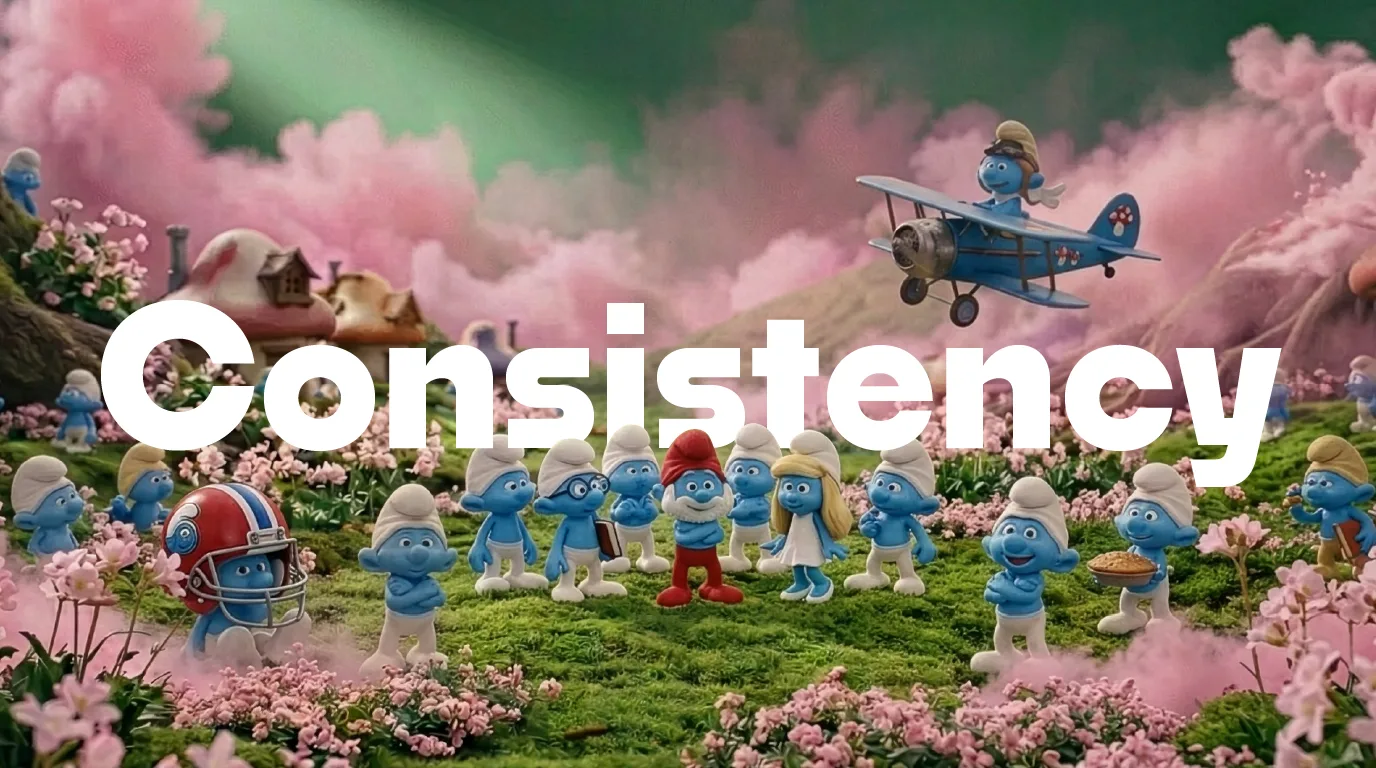
Increasingly, it should be discussed in boardrooms alongside growth, innovation and long-term competitiveness, not simply within the marketing department. The same applies to personal brands. Whether you’re a actor, artist, CEO or a creative professional, people choose to follow and trust individuals for the same reasons they choose brands, authenticity, consistency and emotional connection.
Looking Ahead
We don’t believe AI will make branding less important. We believe it will make branding more important than ever.
As technology continues to lower the barriers to creating products and content, the companies that thrive won’t be those producing the most. They’ll be the ones creating the clearest positioning, the strongest identity and the deepest connection with the people they serve.
The future won’t belong to those who simply adopt AI.
It will belong to those who combine AI with something technology can never replace: human experience, creativity and the ability to build brands that people genuinely believe in.