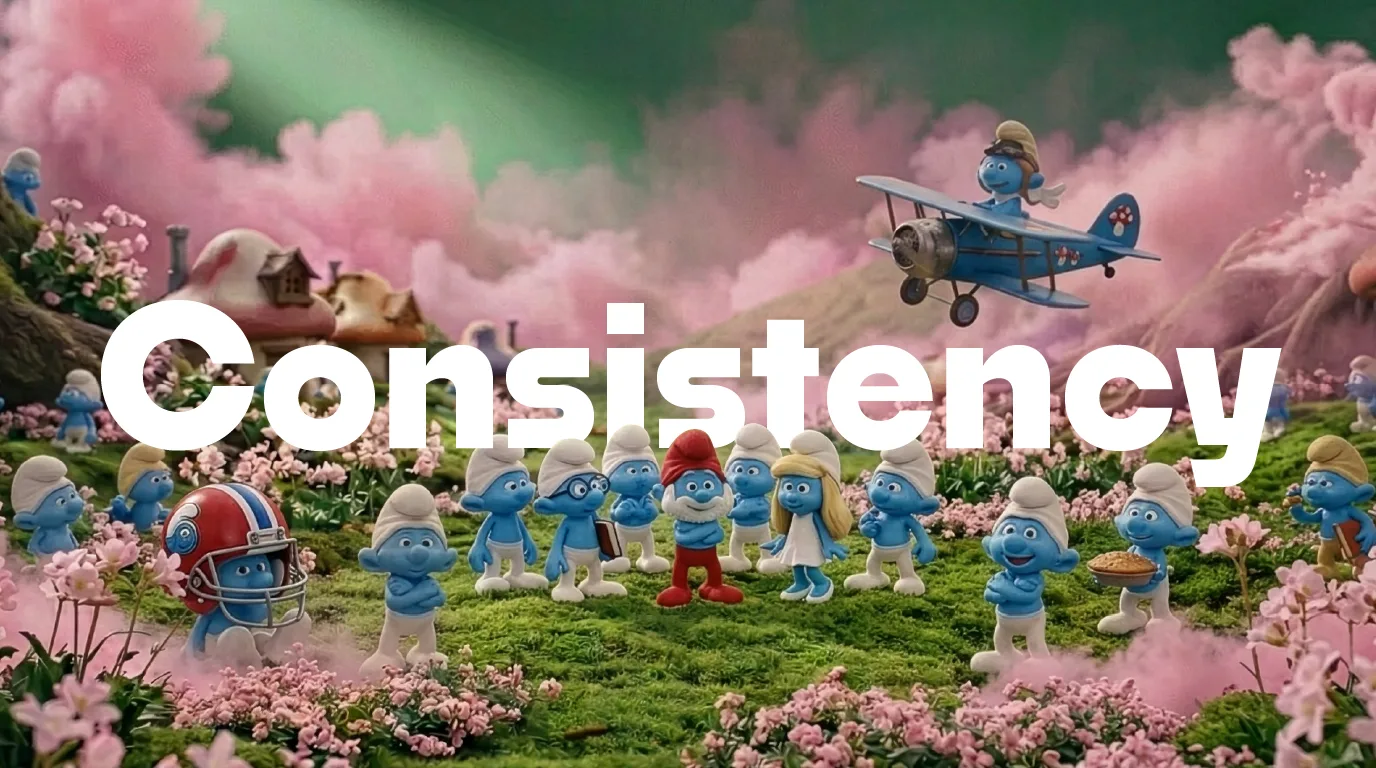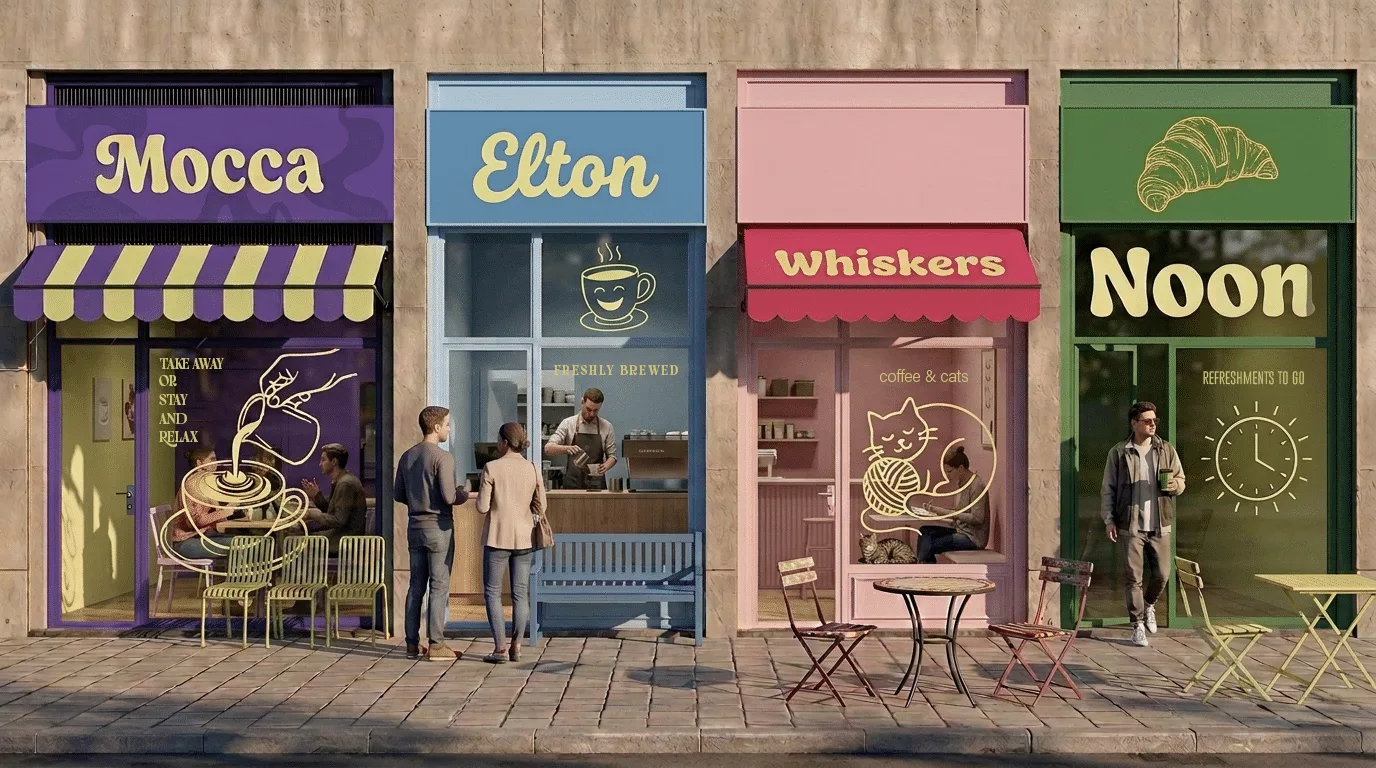
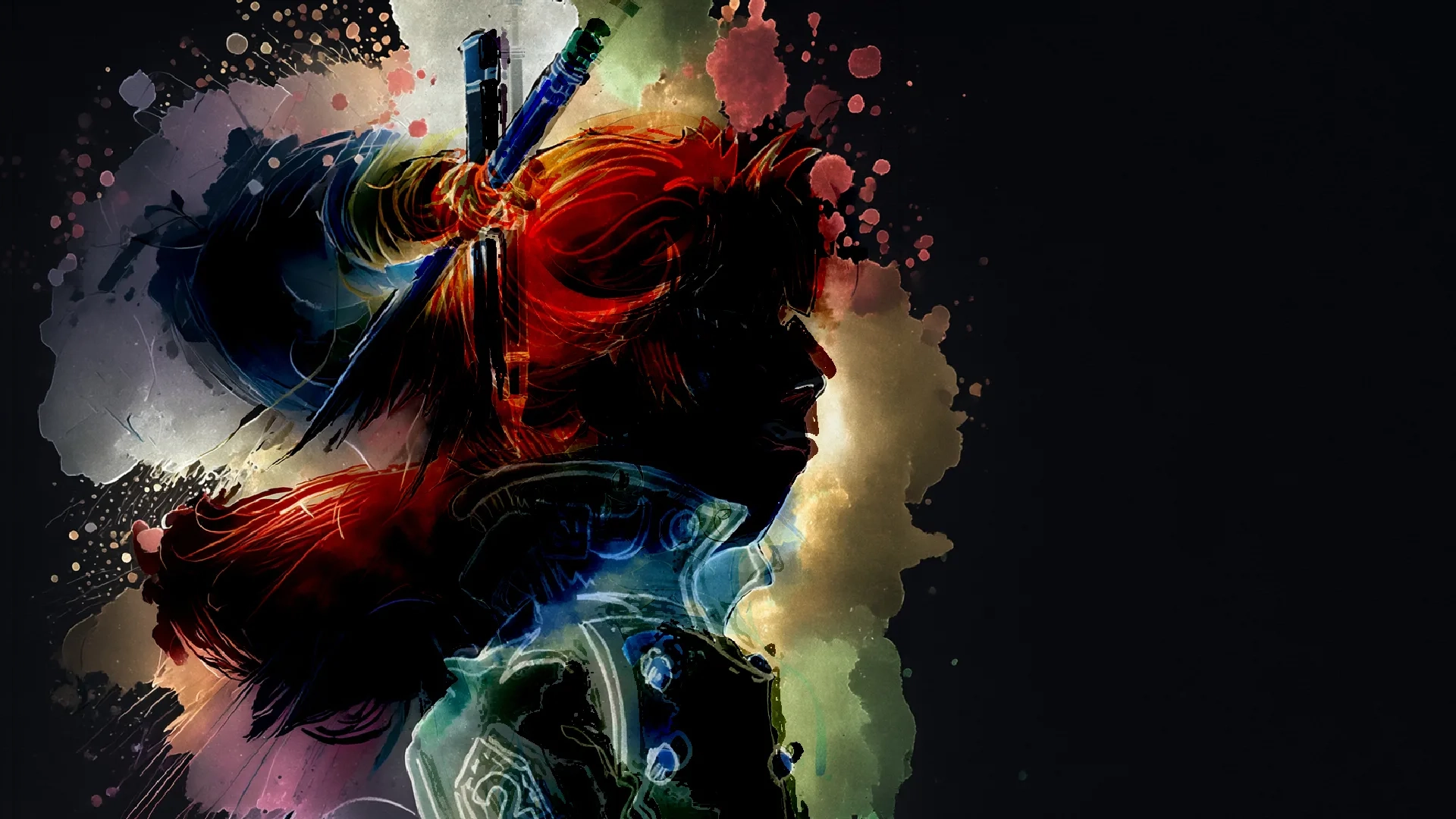
Now consider creating an image with AI. You write a prompt. You describe a mood, a subject, perhaps a visual style. You press a button and, moments later, something appears. It may be close to what you imagined. It may be completely wrong. Or, occasionally, it may be
something you could not have imagined yourself. You look at it. You make a choice. Perhaps you change the prompt. Perhaps you generate another version. Perhaps you keep the strange detail that wasn’t part of your original idea.
At first glance, watercolour and AI seem to belong to entirely different worlds. One is slow, physical and imperfect. The other is digital, fast and almost infinitely reproducible. And yet, they have something fundamental in common. Neither is really about complete control.
The illusion of control
We often think of creativity as the ability to turn an idea in our head into something tangible. The better we are at controlling the tools, the closer the result should be to our original vision.
But is that really how creativity works? Ask a painter, a photographer, a designer or a writer about their best work, and chances are they will tell you that something happened along the way that they hadn’t planned.
A brushstroke went wrong.
A photograph was taken at exactly the right moment.
A sentence suddenly took the story somewhere unexpected.
Creativity often begins where control ends.
This is one reason the comparison between watercolour and generative AI is more interesting than it first appears. The watercolour artist works with the unpredictable behaviour of water and pigment. The AI image-maker works with the unpredictable possibilities of a generative model.
Neither simply commands a machine to produce a predetermined result. They set the conditions and then respond.
The creative act may be the choice
This raises a slightly uncomfortable question. If an AI can generate an image in seconds, where exactly is the creativity?
Is it in the prompt? In the model? In the person selecting the image? Or in the thousands of decisions that lead from the first idea to the final result?
Perhaps the question itself is based on a misunderstanding of creativity. We tend to associate creativity with making. But creativity may be just as much about seeing. Seeing a possibility where others see a mistake. Recognising an unexpected direction. Knowing which version to keep and which to throw away. Knowing when something is finished.
A watercolour artist may create hundreds of marks on a piece of paper, but only some of them become meaningful. The artist’s skill is not simply in making the marks. It is in responding to them. The same can be true when working with AI. The machine may produce the pixels. But someone still has to decide what those pixels mean.
The importance of the accident
There is something beautiful about the creative accident. It reminds us that creativity is not always about knowing the destination before we begin. In fact, some of our most interesting ideas may come from being temporarily lost. The watercolour painter cannot tell the water exactly where to go. The AI artist cannot completely predict what a model will produce from a particular prompt. Both have to remain attentive to what emerges. And that attention is important. Because an unexpected result is not automatically a creative result. It becomes creative when someone notices it. This might be one of the most important differences between generating something and creating something.
A machine can produce endless possibilities. A human gives one of them significance.
From brushes to prompts
For creative agencies, this distinction becomes particularly relevant. Advertising has always embraced new tools. Cameras replaced some forms of illustration. Digital retouching changed photography. Desktop publishing transformed typography and layout. Software made it possible to do things that would previously have required entire teams and days of
production.
Generative AI is another profound shift.
It changes the economics and speed of image creation. It allows us to explore visual territories quickly and to test ideas that might previously have been too expensive or time-consuming to produce. But faster production does not automatically mean better ideas. If anything, abundance makes the creative judgement more important. When creating one image takes an afternoon, you have to make a choice before you begin. When creating a hundred images takes minutes, the choice moves to somewhere else. Which one matters Which one feels true? Which one says something? Which one should exist? These are not technical questions. They are creative ones.
So, what is creativity?
Perhaps creativity has less to do with the tool than we like to think. It is not necessarily the hand holding the brush. It is not necessarily the software generating the image. It may be the space between intention and outcome. The moment when we encounter something unexpected and decide to follow it.
The ability to make connections between things that did not previously seem connected. The courage to abandon the original plan. And, perhaps most importantly, the ability to care about the result.
A watercolour painting carries the physical evidence of its creation. Every brushstroke, every drop of water, every imperfection is part of its history. An AI-generated image has a very different history. But the human creative process around it can still contain hesitation, curiosity, judgement, failure and discovery. The tools may be radically different. The
questions are surprisingly similar. What are we trying to express? What feels interesting? What feels true?
And why should anyone else care?
This text was AI-generated based on a prompt from the author and subsequently edited with sections removed, cut and pasted, added. All in collaboration with other humans.