
Why is that?
Creativity is often associated with artistic expression, but in a business context it is much broader than that. Creativity is the ability to see new possibilities, connect ideas from different perspectives, and solve problems in innovative ways. It is what helps organizations create value, stand out from competitors, and adapt to change.
The good news is that creativity is not something reserved for a select few. It can be nurtured and strengthened through the right environment, culture, and processes.
Here are five key factors that help organizations generate stronger ideas and unlock creative potential.
1. Insights for Focus
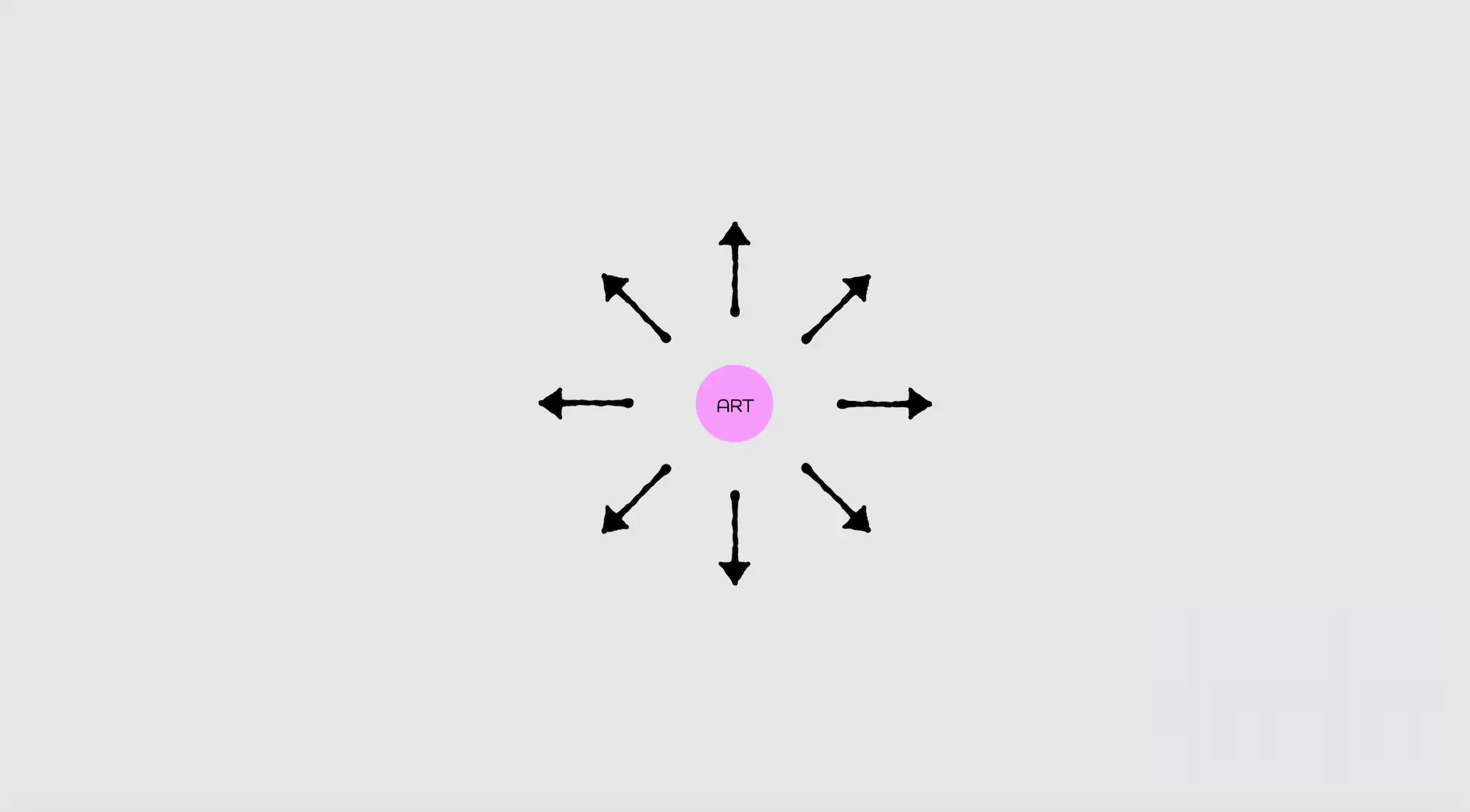
Creativity needs direction.
While artistic expression can be entirely personal, business creativity needs to create value for a specific audience. To generate meaningful ideas, teams need a clear understanding of the challenge they are solving and the people they are creating for.
What problem are you trying to solve? Who is your audience? What are their needs, expectations, and behaviors?
The more clearly these questions are answered, the easier it becomes to generate relevant ideas.
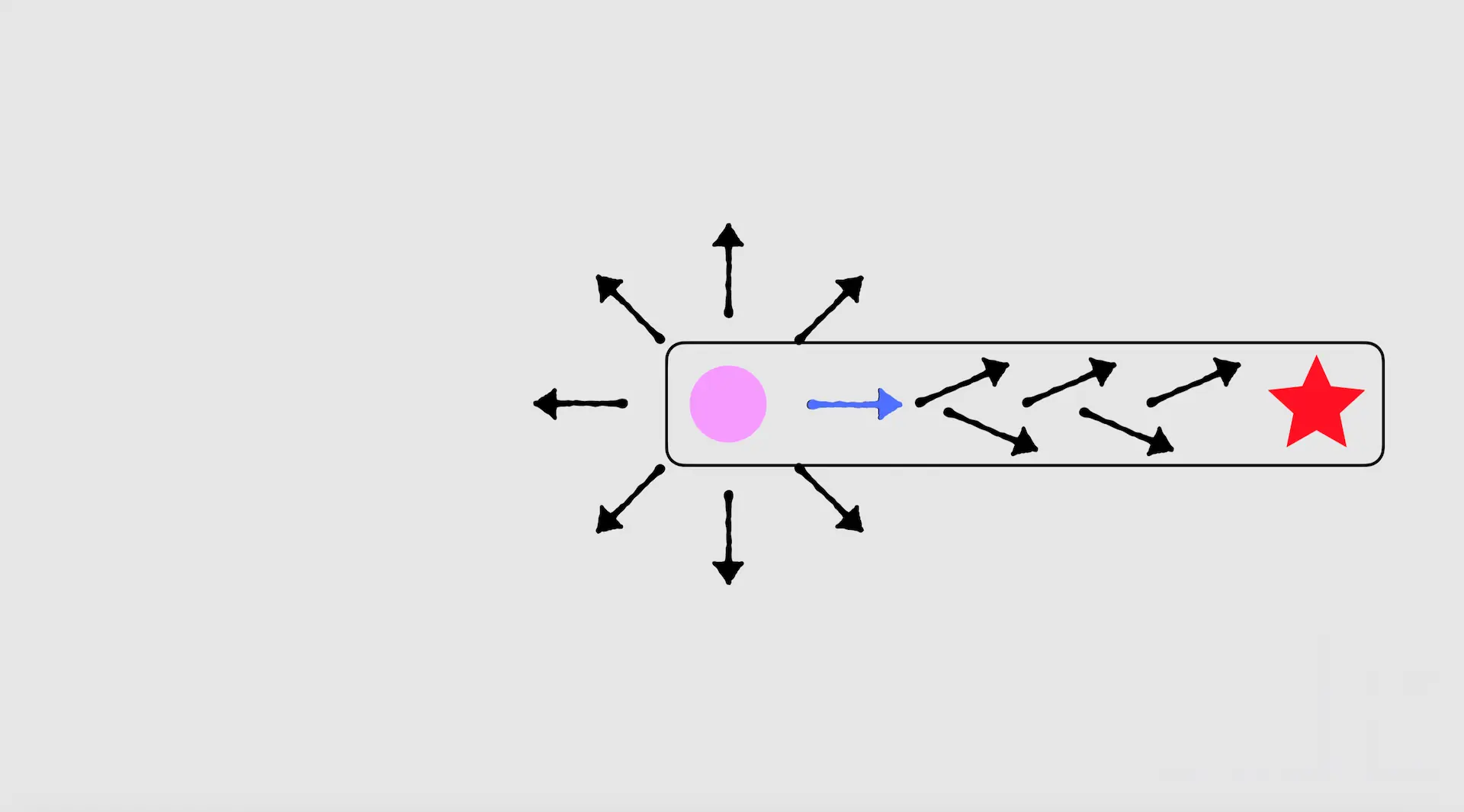
Strong insights provide the foundation for innovation. They help teams challenge assumptions, identify opportunities, and focus their creativity where it matters most.
Unfortunately, insight work is often reduced or removed due to time and budget constraints. But without a strategic foundation, even the most creative ideas risk solving the wrong problem.
If extensive research is not possible, establish clear hypotheses and assumptions that everyone agrees on before ideation begins. Creativity needs a starting point.
2. Time to Explore
Creativity requires time.
Organizations that want innovative outcomes must create space for exploration, experimentation, and learning. If every project is planned solely around efficiency and proven methods, there is little room to discover new possibilities.
Creative professionals need opportunities to test ideas, gather inspiration, reflect, and learn from failure. Exploration is not wasted time, it is often where breakthrough ideas emerge.
At the same time, creativity is not about waiting for inspiration to strike.
Successful creative work combines exploration with structure. Approaches such as Design Thinking provide frameworks that help teams remain open-minded during idea generation while introducing evaluation and refinement later in the process.
Balancing freedom with direction allows organizations to innovate without losing focus.
3. Psychological Safety
One of the most important ingredients of creativity is psychological safety.
People need to feel comfortable sharing ideas without fear of embarrassment, criticism, or negative consequences. This is particularly important during brainstorming and ideation sessions, where unconventional thinking often leads to the strongest outcomes.
Many great ideas begin as imperfect, unrealistic, or even strange suggestions.
When employees feel safe expressing those thoughts, creativity flourishes.
Organizations can encourage psychological safety by creating an atmosphere of openness, curiosity, and respect. Team members should feel heard and encouraged to build upon each other’s ideas.
One simple technique is to adopt a “Yes, and…” mindset rather than responding with “No, but…”. Instead of immediately identifying problems, participants expand on ideas and explore possibilities before evaluating them.
This creates momentum and encourages broader participation.
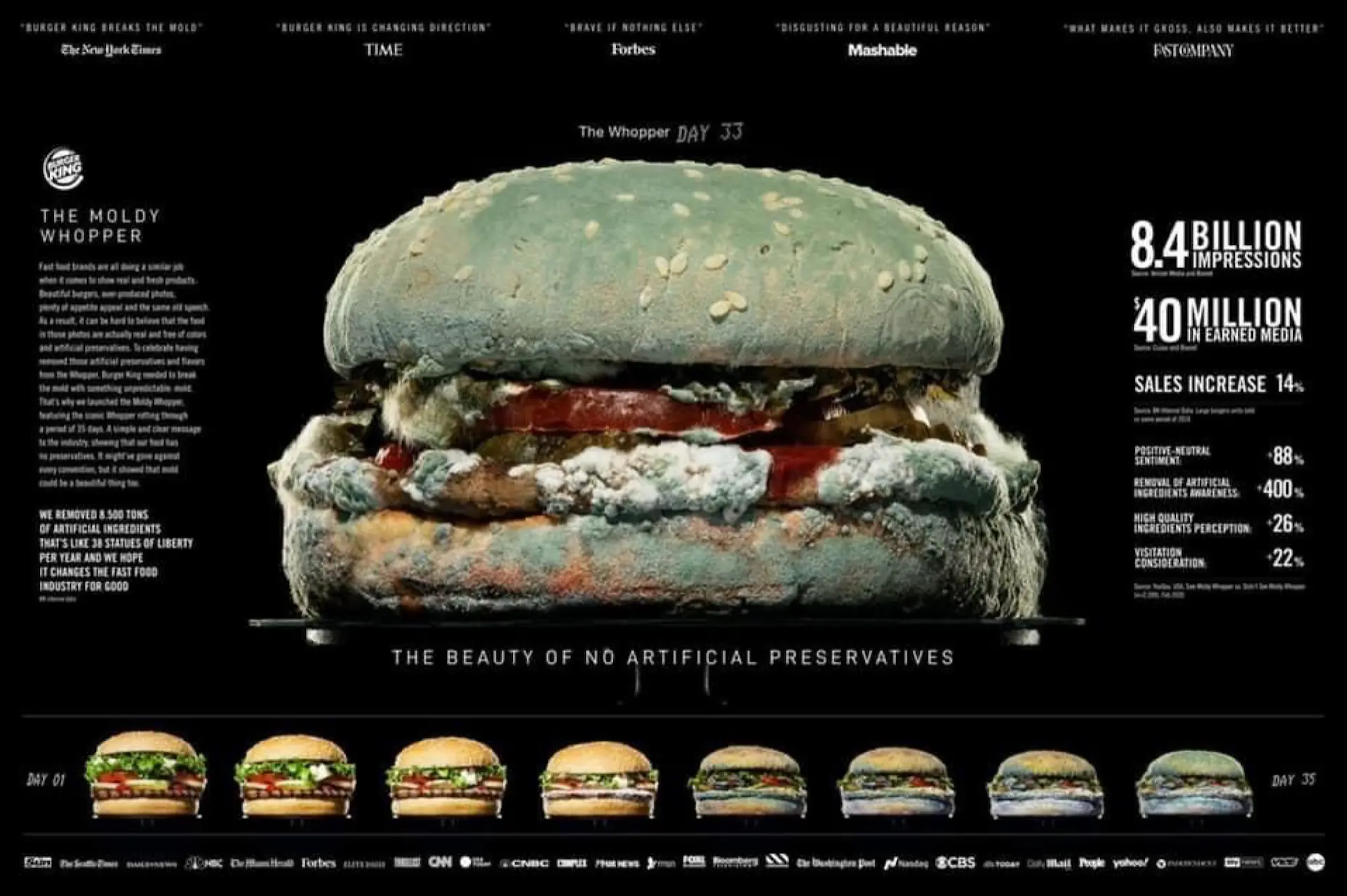
The well-known Moldy Whopper campaign from Burger King is a good example of a bold idea that challenged conventional marketing thinking. By showing a burger decomposing over time, the campaign highlighted the absence of artificial preservatives. Unusual? Absolutely. Memorable? Without question.
Creative organizations create environments where ideas like these are allowed to surface.
4. Creative Processes
The word “process” may not sound particularly creative, but strong creative processes are often what make great ideas possible.
A process helps teams focus on the right things at the right time. It provides structure without limiting creativity.
The journey typically begins with understanding the audience, the challenge, and the strategic context. Once that foundation is in place, teams can move into idea generation with a more informed perspective.
During ideation, the goal is to think broadly and explore possibilities. Evaluation comes later.
One of the most common mistakes organizations make is judging ideas too early. When criticism enters the conversation before exploration is complete, creativity is restricted and promising ideas may never develop.
Well-designed workshops and brainstorming sessions help avoid this problem by separating divergent thinking from convergent thinking.
First, generate ideas. Then review, evaluate, refine, and prioritize.
Many people feel uncertainty at the beginning of a creative process because the outcome is unknown. However, when teams trust the process, they become more comfortable exploring new territory and taking creative risks.
Good facilitation and clear structure create the confidence needed for innovation.
5. The Power of Diverse Perspectives
Innovation rarely comes from a single perspective.
The strongest ideas often emerge when people with different backgrounds, experiences, and skills collaborate around a shared challenge.
Every individual brings unique knowledge, assumptions, and ways of thinking. When these perspectives are combined, they create opportunities for new connections and unexpected solutions.
Most organizations recognize the value of collaboration, but they often overlook an important challenge: not every voice is heard equally.
Research consistently shows that teams perform better when participation is balanced. Extroverted individuals and senior employees may naturally dominate conversations, while quieter voices remain unheard.

Creative leaders actively create space for everyone to contribute.
Facilitators and structured meeting formats can help ensure that participation is distributed more evenly and that valuable perspectives are not lost.
The goal is not to eliminate strong voices but to complement them with others.
The most effective creative leaders are not the ones who contribute the most ideas. They are the ones who create conditions where the best ideas can emerge from anyone in the room.
Creative breakthroughs rarely come from individual brilliance alone. They happen when diverse perspectives are brought together, challenged, refined, and developed collectively.
Take a Moment to Reflect
Does your organization have these five elements in place?
- Insights for Focus
- Time to Explore
- Psychological Safety
- Creative Processes
- The Power of Diverse Perspectives
Organizations that consistently generate great ideas are rarely the ones with the most talented individuals. More often, they are the ones that have created the right conditions for creativity to thrive.
Creativity is not an accident. It is the result of intentional leadership, supportive culture, and well-designed processes.
Invest in those foundations, and better ideas will follow.
- Need help turning insights into a strong starting point for the creative process?
- Looking for an external partner to facilitate a creative and inclusive workshop?
Don’t hesitate to get in touch with us at Dorian Collective.